Ultimate Guide to Pool Surround Cleaning and Slip Prevention
A clean pool surround looks inviting, but its most important job is providing a safer surface under wet feet. In Maroochydore, warm weather, humid conditions and summer rainfall encourage algae and other slippery growth. Add sunscreen, leaf litter and everyday dirt, and even textured paving can lose https://erickvgjo523.evergrovio.com/posts/how-regular-washing-protects-seaside-building-facades traction.
Effective slip prevention combines regular cleaning, suitable surface treatments and good drainage. This guide explains how to care for pool surrounds without damaging your paving, decking or pool equipment.
Why Pool Surrounds Become Slippery
Algae and biofilm can form where moisture lingers, particularly in shaded corners, beside garden beds and around poorly draining sections. These deposits are not always visibly green: a thin, slippery film can develop before obvious discolouration appears.
Sunscreen and body oils also leave residue on tiles and paving. Sand, loose grit and fallen leaves create additional hazards, while worn coatings or unsuitable sealers can make surfaces slick when wet.
Choose a Cleaning Method That Suits Your Surface
Concrete and Concrete Pavers
Sweep away debris, then use a cleaner labelled for the surface and the type of soiling. Scrubbing with a suitable deck brush often removes light build-up. Pressure cleaning can help with ingrained dirt, but excessive pressure or holding the nozzle too close may erode concrete, expose aggregate unevenly or wash material from paving joints.
Natural Stone
Travertine, limestone and other natural stones need material-specific care. Acidic cleaners can etch acid-sensitive stone, and harsh chemicals may affect sealers. Use a stone-compatible product and test it in an inconspicuous area before treating the entire surround.
Outdoor Tiles and Grout
Clean textured tiles with a compatible detergent and brush so residue does not remain trapped in the surface. Rinse thoroughly and inspect grout for cracks or missing sections. Avoid assuming that a glossy-looking tile or a freshly sealed surface provides adequate wet traction.
Timber and Composite Decking
Follow the decking manufacturer’s cleaning instructions. Aggressive pressure washing can damage timber fibres or mark composite boards. Remove debris between boards where accessible, and address persistent moisture rather than relying on repeated chemical treatments.

A Practical Pool Surround Cleaning Routine
- Inspect and clear the area: Remove furniture, toys, leaves and loose dirt. Look for loose pavers, sharp edges and drainage problems.
- Select a compatible cleaner: Read the label, check surface suitability and wear the recommended protective equipment.
- Work in manageable sections: Apply the product as directed, allow the specified contact time and agitate where needed. Do not let it dry unless the instructions require it.
- Rinse and manage wastewater: Keep dirty water and chemicals out of the pool, garden areas where damage may occur, and stormwater drains.
- Inspect before reopening: Keep people away during cleaning and until the area is rinsed, free of residue and suitable for use.
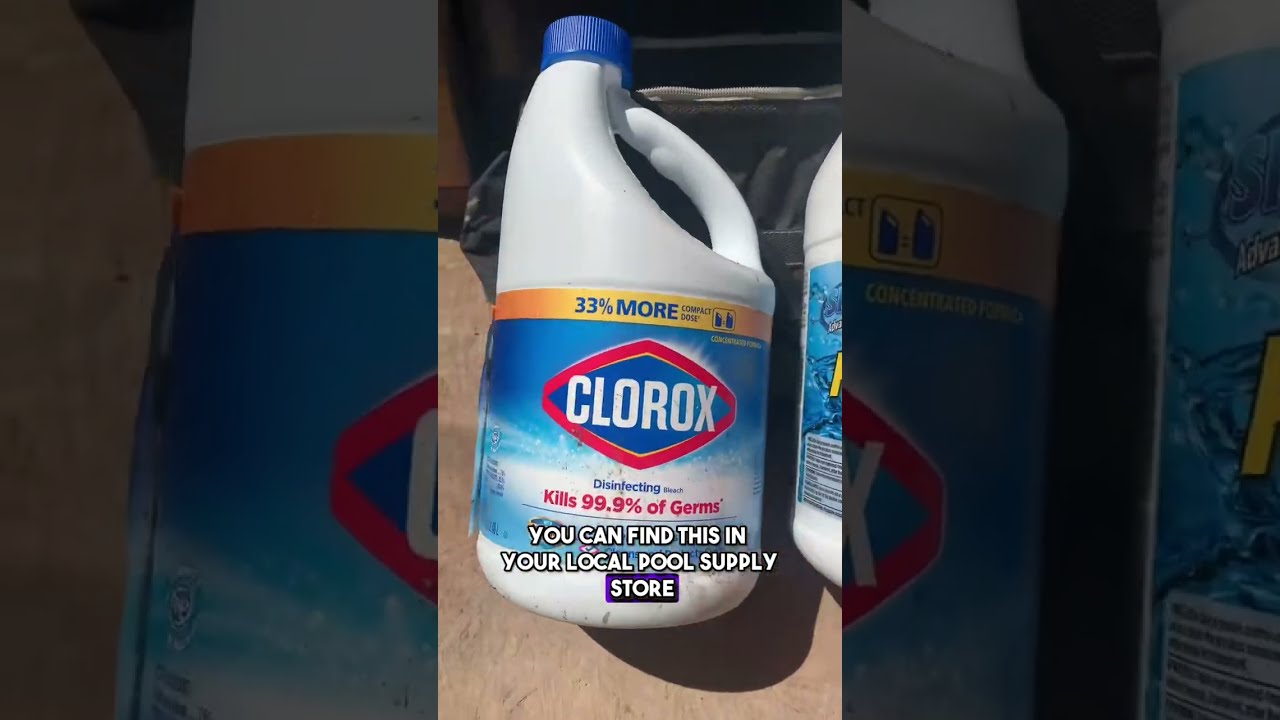
Never mix cleaning chemicals. In particular, mixing chlorine-based products with acids or ammonia can release dangerous gases. Store cleaning products securely away from children and pool chemicals.
Reduce Slip Risks Between Cleans
Sweep frequently during periods of heavy leaf fall and check shaded areas regularly for early growth. After storms, remove debris and identify puddles that remain once surrounding surfaces have dried. Persistent pooling may indicate blocked drainage, uneven paving or inadequate falls that need professional assessment.
Keep furniture and pool equipment clear of walking routes. If you use mats, choose products designed for wet outdoor areas that drain freely and remain secure. Lift and clean beneath them regularly, because trapped moisture can encourage growth.
Encourage walking rather than running, and keep access routes well lit. These measures support safer use, but no pool surround is completely slip-proof.
Do Sealers and Anti-Slip Treatments Help?
A suitable sealer can help protect some surfaces from staining, but sealing does not automatically improve slip resistance. Certain film-forming products can reduce traction when wet, particularly if overapplied or unsuitable for poolside use.
Before choosing a sealer or anti-slip treatment, ask about compatibility with your existing surface, suitability for wet barefoot use, maintenance requirements and available slip-resistance test results. Abrasive additives and chemical treatments can alter appearance or feel, so arrange a small test area first.
For new or replacement finishes, ask a qualified supplier or designer which Australian slip-resistance standards and classifications apply to your project. Wet barefoot pool areas require different consideration from ordinary dry walkways.
When to Book Professional Cleaning in Maroochydore
Professional pool surround cleaning is worth considering when growth returns quickly, stains resist gentle cleaning, or the surface includes delicate stone, deteriorating grout or an unknown coating. A careful contractor assesses the material before selecting equipment and chemicals.
Ask how the provider protects the pool, manages wastewater and avoids damage to joints, coatings and nearby landscaping. In Maroochydore, cleaning plans should account for Sunshine Coast Council requirements and Queensland environmental obligations: stormwater drains generally lead to waterways, not sewage treatment.
There is no universal cleaning interval. Inspect the surround regularly and schedule deeper cleaning according to shade, rainfall, use and visible build-up. Cleaning early, fixing drainage and choosing suitable finishes work together to keep your pool area cleaner and reduce slip risks throughout the year.
Maroochydore Pressure Cleaning